Summary:
Your old AC is struggling. Maybe it’s making strange noises, barely cooling your home when it hits 110°F outside, or driving your summer electric bill past $250. You’ve decided it’s time for a replacement, and you’ve scheduled your air conditioning installation. Smart move—especially if you’re doing it before the June rush when every HVAC contractor in Clark County is booked solid.
But here’s what most homeowners don’t realize: what you do before installation day directly impacts how well your new system performs and how long it lasts. In Las Vegas, where your AC runs 12 to 16 hours daily through brutal summer months, those details matter more than you might think.
Let’s walk through three straightforward preparation steps that set you up for success.
Why Preparation Matters for AC Installation in Las Vegas
Installation day isn’t just about swapping out old equipment for new. It’s about setting up a system that needs to handle conditions most air conditioners were never designed for.
Think about what you’re asking your AC to do. When it’s 115 degrees outside and you want your home at 75, that’s a 40-degree temperature gap. Most systems are engineered for 20 to 25-degree differentials. Your compressor runs continuously instead of cycling. Refrigerant pressure spikes. Condenser coils struggle to release heat into air that’s already scorching.
The preparation work you do now determines whether your system can handle that workload efficiently or whether it burns out prematurely. Las Vegas systems already have shorter lifespans—8 to 12 years compared to 15 to 20 nationally—because of the extreme operating conditions. Proper setup helps you get every year of performance you paid for.
Clear Access and Create Space for Installation Teams
Installation crews need room to work, and obstacles slow everything down. You’re paying for their time, so making their job easier means faster completion and less disruption to your day.
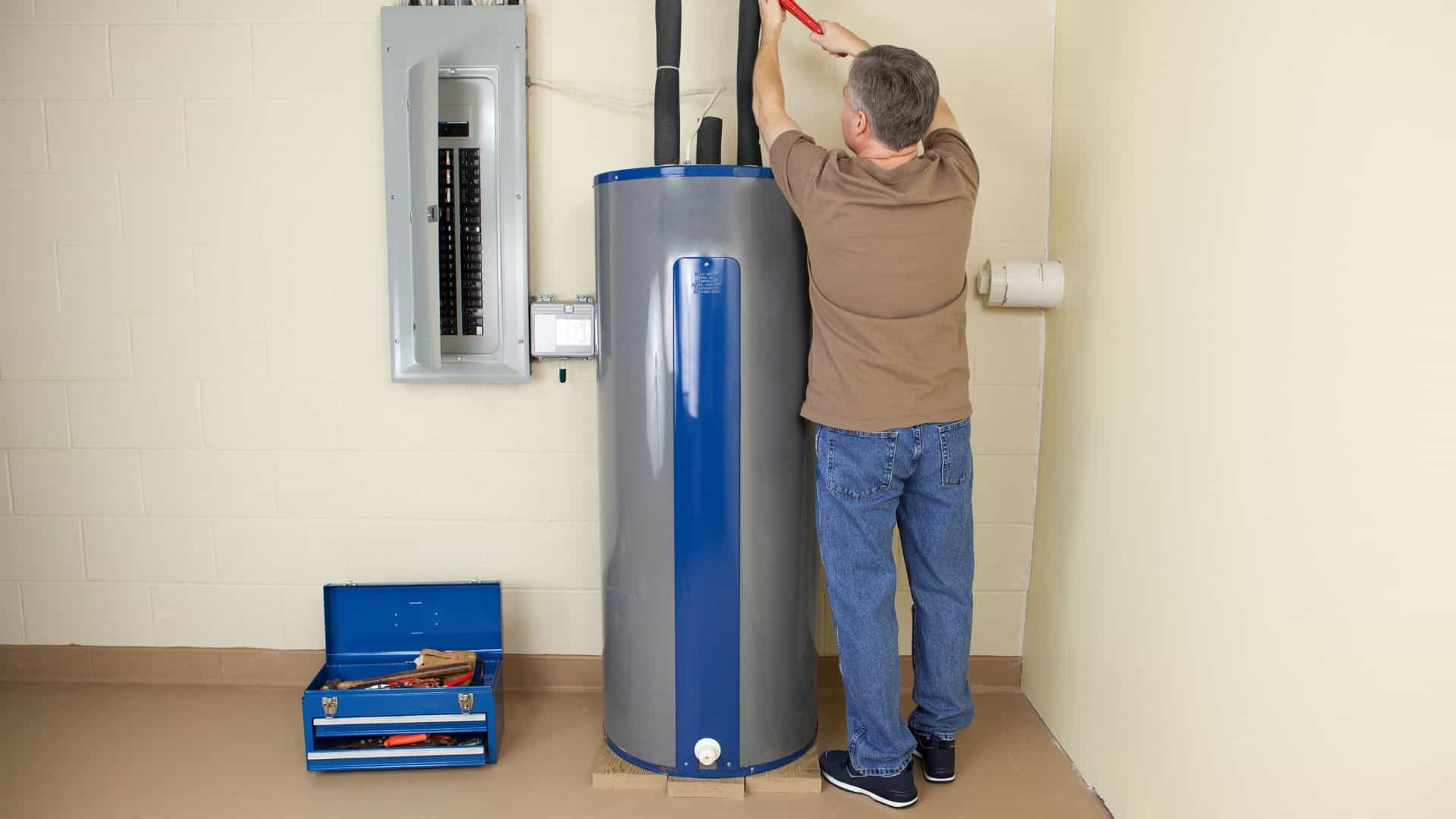
Start inside your home. If your air handler is in a closet, attic, or utility room, clear a path. Move boxes, storage bins, holiday decorations, or anything blocking access. Technicians will be carrying equipment, running refrigerant lines, and making multiple trips. A clear pathway prevents accidents and speeds up the process.
Don’t forget about your furnace area if you have a split system. The indoor components connect to your heating system, so that space needs to be accessible too. Move furniture away from vents if crews need to inspect or modify ductwork. Cover valuable items nearby with drop cloths if you’re concerned about dust during the work.
Outside, the outdoor condenser unit needs clearance on all sides. Trim back shrubs, branches, or plants within two feet of where the unit will sit. Remove trash cans, garden equipment, lawn furniture, or anything that could get in the way. If your driveway or yard access is tight, move vehicles that might block the path.
Pets are another consideration. Even friendly dogs can be a distraction or safety concern when technicians are moving heavy equipment or working with tools. Secure pets in a separate room or outside in a shaded area during installation. It keeps everyone safe and lets the crew focus on the work.
One often-overlooked detail: parking. Installation trucks carry specialized equipment, replacement parts, and tools. If your driveway is full or street parking is limited, reserve a spot close to your home. It’s a small thing that makes a noticeable difference in how smoothly the day goes.
The goal is simple. When the installation team arrives, they should be able to start work immediately without spending the first hour moving obstacles or figuring out logistics. That efficiency translates directly into a faster, cleaner installation for you.
Check Your Electrical System and Ductwork Before Installation Day
Modern air conditioning systems draw significant power, and older homes in Clark County weren’t always built with that demand in mind. If your electrical panel can’t handle the load, you’ll face delays, added costs, or even safety issues after installation.
Most reputable HVAC contractors will inspect your electrical setup during the initial consultation, but it’s worth understanding what they’re looking for. Your new AC needs a dedicated circuit with proper amperage. If your home was built in the 1980s or 1990s, the existing wiring might not meet current requirements. An electrician may need to upgrade your panel or install new circuits before the AC installation can proceed.
Ask your contractor about electrical requirements when you schedule the job. If upgrades are necessary, get them done beforehand. Waiting until installation day to discover electrical issues means delays, rescheduling, and potentially losing your spot during the busy season when contractors are juggling multiple jobs daily.
Ductwork is the other vital system that determines how well your new AC performs. Even a brand-new, high-efficiency unit won’t cool your home effectively if the ducts are leaky, poorly insulated, or incorrectly sized. In Las Vegas, where leaking air escapes into 150-degree attics, duct problems waste serious money.
The national average home loses 20 to 30 percent of conditioned air to duct leakage. In extreme heat, that percentage can climb higher. You’re essentially paying to cool your attic instead of your living space. Sealing ducts before installation maximizes the performance of your new system from day one.
Request a duct inspection as part of your pre-installation assessment. Professional contractors will check for air leaks, crushed sections, undersized return vents, and mold or dust buildup that affects air quality. If repairs or modifications are needed, handle them before the new unit goes in. It’s far easier and less expensive to address ductwork issues when the system is already open than to retrofit changes later.
Some homes need more extensive duct modifications, especially if you’re upgrading to a larger or more efficient system. Airflow requirements change with different equipment, and your existing ducts might not accommodate the new specifications. Your contractor should perform load calculations—often called Manual J calculations—to determine the exact capacity your home needs based on square footage, insulation, window types, and local climate factors.
In Clark County’s desert environment, proper sizing isn’t optional. An oversized unit will short cycle, failing to remove humidity and wearing out components faster. An undersized unit will run continuously without ever catching up, driving energy bills through the roof and shortening the system’s lifespan. Load calculations guarantee you get the right fit.
One final electrical consideration: thermostat compatibility. If you’re upgrading to a smart thermostat or a more advanced control system, verify that your wiring supports it. Some older homes need additional wiring runs for modern thermostats to function correctly. Addressing this before installation prevents frustration later when you’re trying to program your new system and discover it won’t connect.
Timing Your Air Conditioning Installation to Avoid the Rush
When you schedule your AC installation matters almost as much as who installs it. In Las Vegas, timing can mean the difference between a smooth, affordable experience and a stressful, expensive emergency.
The optimal window for air conditioning installation in Clark County is March through early May. Temperatures haven’t hit triple digits yet, so you’re not desperate. Every HVAC contractor isn’t slammed with emergency calls from people whose systems just died in 115-degree heat. You have time to get multiple quotes, compare options, and schedule at your convenience.
Wait until June, and you’re competing with everyone else who neglected their system. Contractors are booked weeks out. Prices often climb during peak demand. If your current AC limps along until mid-summer and then fails completely, you’re facing emergency replacement costs and potentially days without cooling while you wait for an available crew.
What to Expect on Installation Day
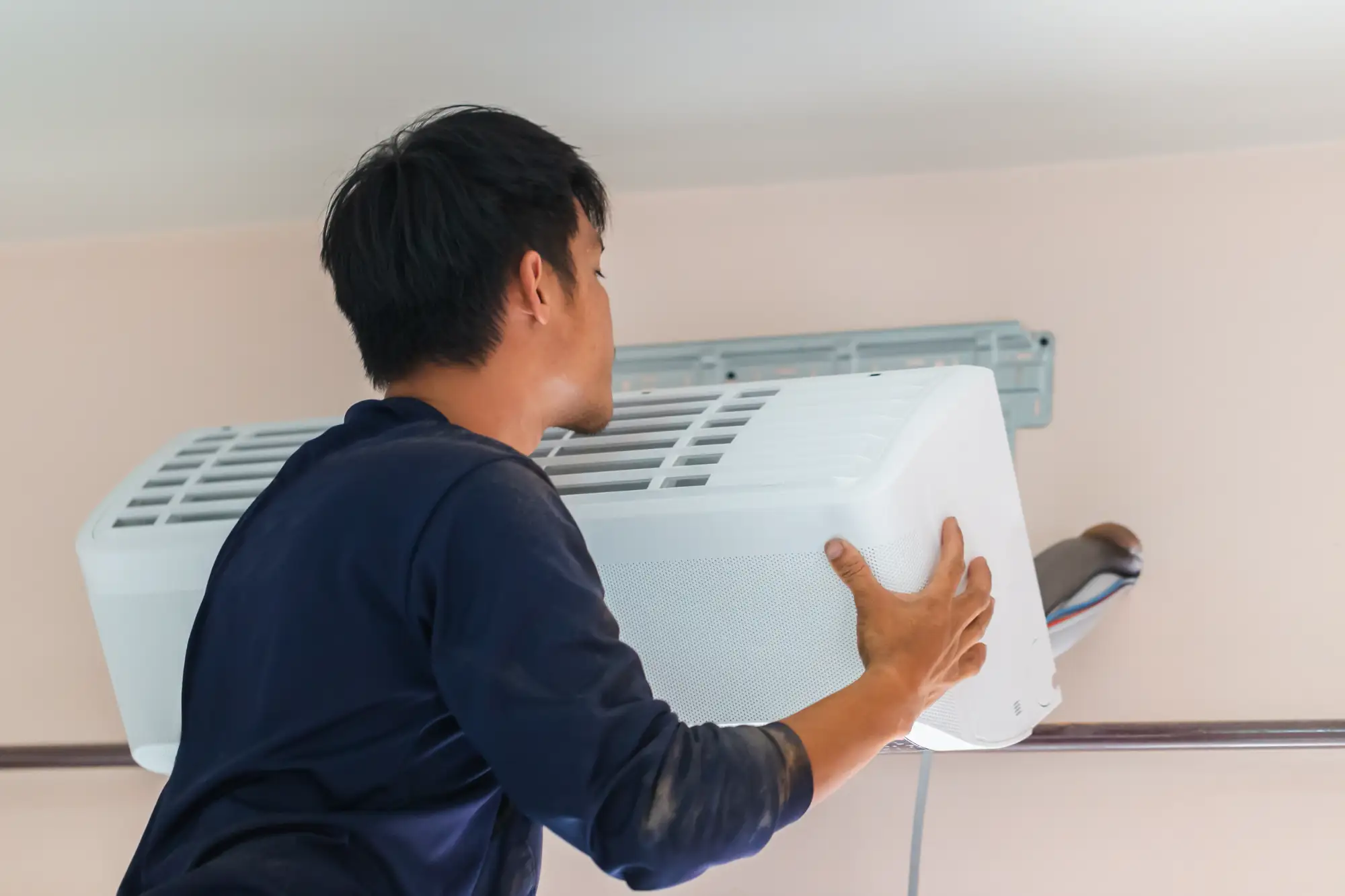
Understanding what happens during installation helps you prepare mentally and logistically. Most residential air conditioning installations take six to ten hours for a straightforward replacement. If your job involves ductwork modifications, electrical upgrades, or installing central air for the first time, expect a full day or potentially longer.
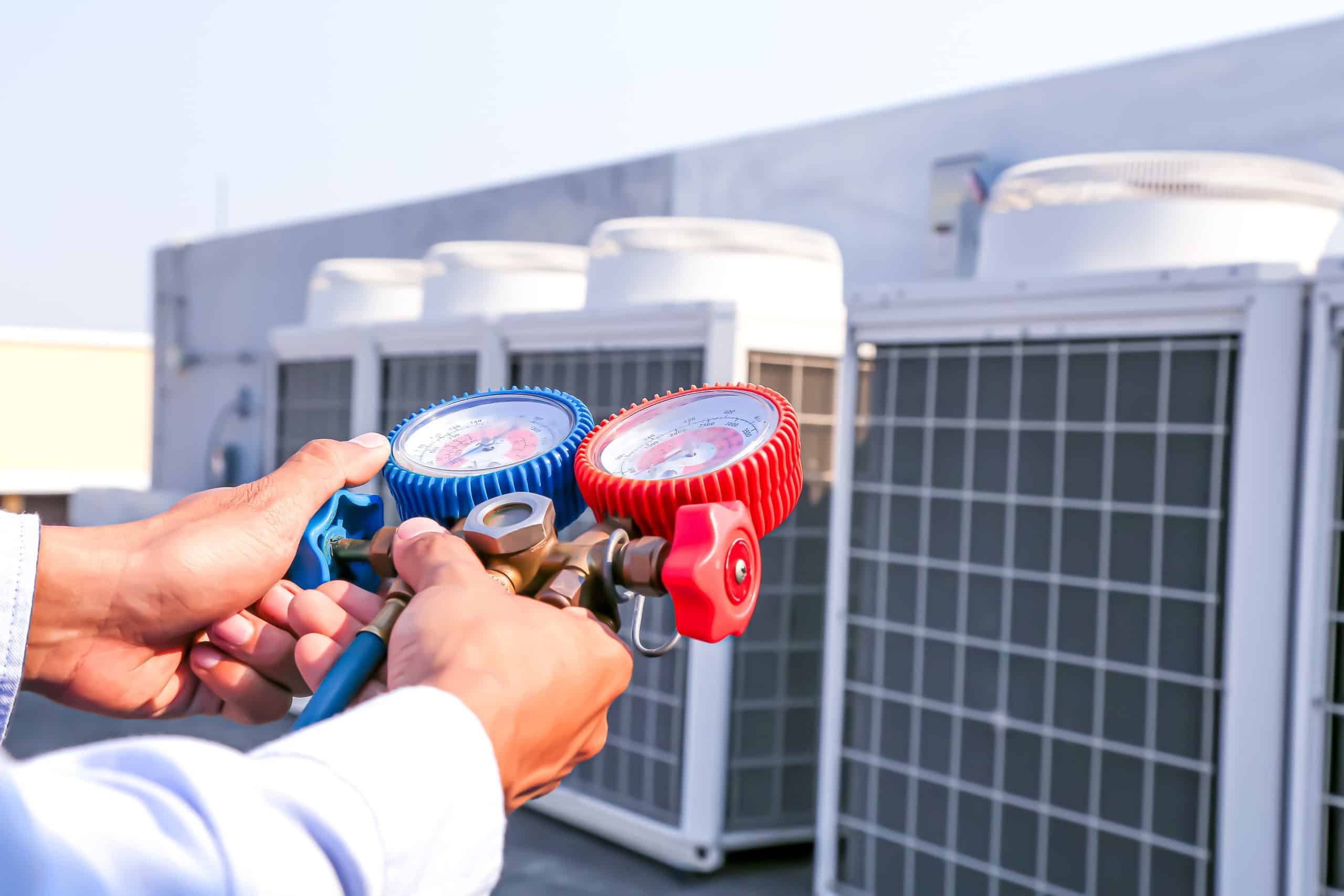
The crew will start by shutting off power and safely removing refrigerant from your old system. EPA regulations require certified technicians to recover refrigerant—it can’t be vented into the atmosphere. They’ll disconnect the old indoor and outdoor units, remove them from your property, and prepare the installation sites for new equipment.
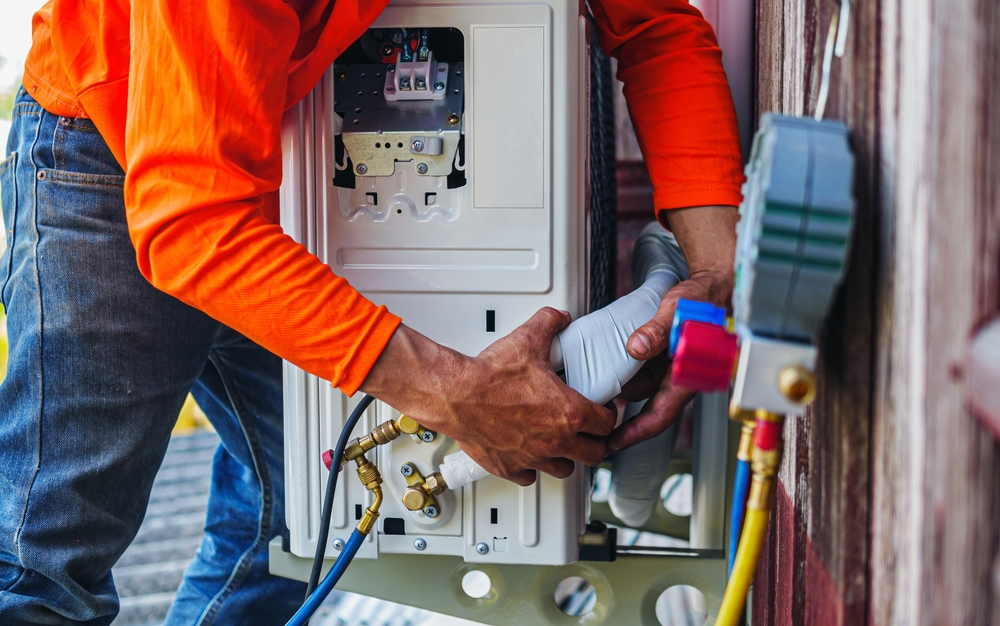
Next comes positioning the new outdoor condenser unit. It sits on a level pad, and proper placement matters for efficiency and longevity. The unit shouldn’t be in direct sunlight if possible, and it needs adequate airflow on all sides. Technicians will connect refrigerant lines, running them between the outdoor condenser and indoor air handler or evaporator coil.
Inside, they’ll install or connect the indoor components, seal all connections, and verify that ductwork is properly attached. Electrical connections get wired to your panel, and the thermostat is installed or reconnected. Once everything is physically in place, the crew will charge the system with refrigerant, test all functions, and verify proper operation.
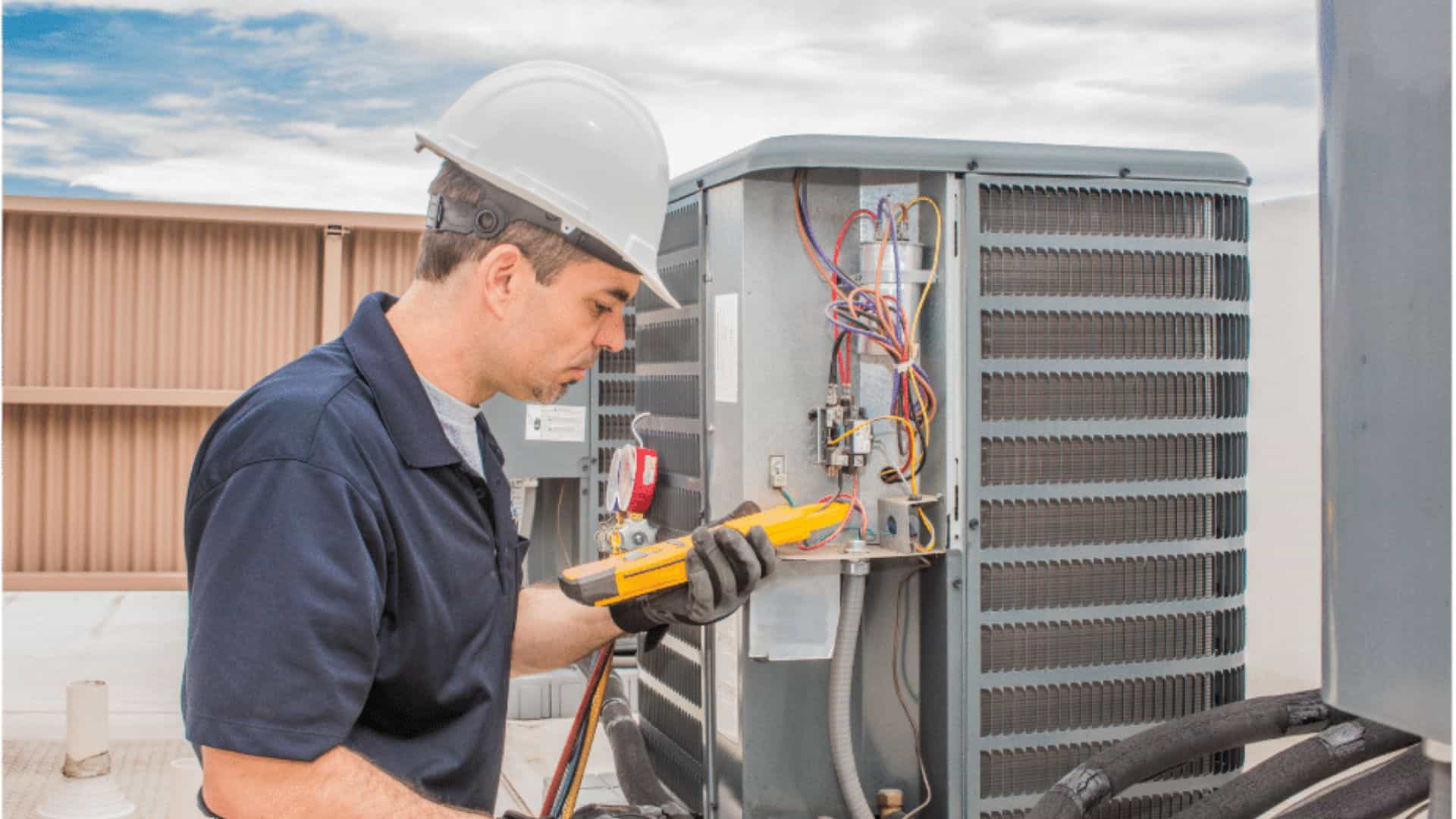
A quality installation includes thorough testing. Technicians should run the system for 15 to 20 minutes, checking airflow, refrigerant charge, temperature differentials, and thermostat accuracy. They’ll listen for unusual noises, verify that all safety features work correctly, and confirm your home reaches the desired temperature.
Before the crew leaves, they should walk you through operating your new system. You’ll learn how to adjust settings, change filters, and recognize signs of potential problems. They’ll provide warranty documentation and explain what’s covered. In Clark County, contractors also handle permits and inspections required by local building codes, so verify that paperwork is complete.
During installation, your HVAC system will be offline. Depending on the scope of work, that could mean several hours to a full day without cooling. If you’re installing during warmer months, plan accordingly. Open windows in the morning to let in cooler air, close blinds to block afternoon sun, and consider spending the hottest part of the day elsewhere if your home becomes uncomfortable.
Most contractors protect your floors and furniture with drop cloths during the work. They’ll clean up debris, haul away the old equipment, and restore the area to its original condition. Professional crews take pride in leaving your home as clean as they found it, but it’s worth confirming cleanup procedures when you book the job.
Financing Options and Cost Considerations for AC Installation
Air conditioning installation in Las Vegas typically costs between $4,000 and $12,000 for a standard central AC system. That’s a significant investment, and understanding your financing options helps you move forward without financial stress.
The price range depends on several factors. System size matters—a 2-ton unit for a smaller home or condo costs less than a 5-ton system for a larger property. Efficiency ratings affect price too. A basic 14 SEER2 unit is more budget-friendly upfront, but a higher-efficiency 18 or 20 SEER2 system reduces monthly energy bills and often qualifies for utility rebates.
Installation complexity also impacts cost. A straightforward replacement where the new unit goes in the same location as the old one is less expensive than a job requiring ductwork modifications, electrical panel upgrades, or relocating equipment to meet current code requirements. Labor costs vary by contractor, and peak-season demand can drive prices higher.
Many HVAC contractors offer financing through manufacturer programs or third-party lenders. Monthly payment plans let you spread the cost over time instead of paying everything upfront. Interest rates and terms vary, so compare options carefully. Some contractors also work with NV Energy’s on-bill financing program, which adds the cost to your monthly utility bill.
Don’t overlook available rebates. NV Energy offers cash rebates on qualifying high-efficiency HVAC equipment for residential customers. Rebate amounts change periodically, but homeowners can potentially save hundreds to over a thousand dollars on qualifying systems. Your contractor should help you identify eligible equipment and submit rebate applications on your behalf.
Higher-efficiency systems cost more initially but deliver long-term savings. Replacing a system that’s more than 10 years old with a higher SEER2 model can reduce your cooling costs by 20 percent or more. In Las Vegas, where summer electric bills easily hit $200 to $250 monthly, that 20 percent savings adds up quickly. Over the system’s lifespan, the energy savings can offset the higher purchase price.
When comparing quotes, make sure you’re looking at total installed cost, not just equipment price. A low quote that doesn’t include permits, disposal fees, refrigerant charge, or ductwork inspection might end up costing more once those items get added. Reputable contractors provide written estimates that break down all costs clearly—equipment, labor, materials, permits, and any additional work needed.
Transparent pricing eliminates surprises. You should know exactly what you’re paying before work begins, with no hidden fees or unexpected charges appearing on the final bill. If a contractor can’t or won’t provide a detailed written estimate, that’s a red flag. Quality HVAC companies stand behind their pricing and their work.
Setting Your New AC System Up for Long-Term Success
Preparing for air conditioning installation isn’t complicated, but it makes a real difference in how the process goes and how well your system performs. Clear access areas so crews can work efficiently. Verify your electrical system and ductwork can support the new equipment. Schedule during the spring window before peak demand hits.
These steps save you time, prevent delays, and help your investment deliver reliable comfort for years. In Clark County’s extreme desert climate, where your AC is essential for safety and livability, getting the installation right matters.
Once your new system is running, maintain it properly. Change filters monthly during summer. Schedule professional maintenance twice yearly—spring before cooling season and fall after the heavy workload ends. Keep the outdoor unit clear of debris and dust. Those simple habits extend your system’s lifespan and maintain efficiency.
If you’re ready to move forward with air conditioning installation in Las Vegas or Clark County, we bring 18 years of desert climate expertise to every job. Our EPA-certified, NATE-certified technicians understand the unique demands your system faces and provide transparent, upfront pricing with no hidden fees.