Summary:
Why Las Vegas HVAC Systems Need More Maintenance
The desert climate doesn’t just make you uncomfortable. It puts your HVAC system through conditions that most equipment never faces.
Las Vegas sits in the Mojave Desert, where summer temperatures regularly hit 110°F or higher. Your air conditioner runs for hours—sometimes all day—to maintain a comfortable indoor temperature. That constant operation accelerates wear on essential components like the compressor, fan motors, and capacitors.
Then there’s the dust. Desert air carries fine particles that clog condenser coils and filters faster than you’d see in other regions. Low humidity can dry out seals and gaskets. And if you’re in an urban area, heat islands around buildings trap even more warmth around your outdoor unit.
Most HVAC systems in moderate climates run 5-6 months per year. In Las Vegas, you’re looking at 10-11 months of operation. That extended runtime can reduce your system’s expected lifespan by 25-40% if you don’t stay on top of maintenance.
What Happens When You Skip Maintenance in the Desert
Neglecting maintenance in Las Vegas isn’t just about efficiency. It’s about whether your system survives the summer.
When dust and debris build up on your condenser coils, your system has to work harder to transfer heat. A moderately dirty coil can increase electricity use by 39% for a 3-ton unit and 47% for a 5-ton system. That’s not a small bump in your power bill—it’s a significant monthly expense that compounds over time.
Dirty filters restrict airflow, forcing your blower motor to strain. Clogged coils can’t cool refrigerant properly, putting stress on your compressor. Low refrigerant levels make your system run longer to reach the set temperature. Each of these issues creates a cascade effect that wears down other components.
Emergency service calls in Las Vegas increase by over 300% during summer heat waves. Many of those failures trace back to neglected maintenance—simple tasks that would have prevented the breakdown entirely. A clogged coil or low refrigerant level might seem minor, but when your compressor fails as a result, you’re looking at a $2,000+ repair.
The financial impact goes beyond repair costs. When your system runs inefficiently, you’re burning energy to achieve less cooling. Proper maintenance can reduce energy consumption by up to 30%, which translates to real money every month. For a household with a $2,400 annual energy bill, that’s $120-$360 in savings just from keeping your system clean and tuned.
And then there’s the lifespan issue. Most homeowners expect their HVAC system to last 15-20 years. In Las Vegas, without proper maintenance, many systems don’t make it past 10 years. But with regular care, you can add 5-7 years to your system’s life, delaying a major replacement expense.
How Often Should You Schedule HVAC Maintenance Near Me
The standard advice is twice-yearly maintenance. In Las Vegas, that’s not just a suggestion—it’s essential.
You want one service visit in spring, before the brutal summer heat arrives. This is when we check your air conditioning components, clean coils, test refrigerant levels, and make sure everything’s ready for months of heavy use. Catching small issues in April or May prevents breakdowns in July when you need your system most.
The second visit should happen in fall, typically October or November. This prepares your heating system for winter use and gives your AC components a post-season inspection. Even though Las Vegas winters are mild, your furnace still needs attention to operate safely and efficiently.
Some homeowners in Clark County choose quarterly maintenance because of the extreme dust and extended cooling season. If you live in a particularly dusty area, have an older system, or run your HVAC year-round, more frequent service visits can catch problems before they escalate.
Between professional visits, you should check your air filter monthly. In Las Vegas, filters get dirty faster than in other climates. A clogged filter restricts airflow and makes your system work harder, which increases energy use and wear on components. Most filters need replacement every 1-3 months depending on usage and conditions.
The key is consistency. One maintenance visit might catch an issue, but regular service creates a baseline. We can spot trends—like refrigerant levels dropping slightly each visit—that indicate a slow leak. Catching that early means a simple repair instead of a failed compressor.
For every dollar you spend on maintenance, you can save $4 in avoided breakdown and repair costs. That’s a 400% return on investment. Emergency repairs cost 50-100% more than standard service calls, and running equipment to failure costs 3-10 times more than proper maintenance programs. The math isn’t complicated.
Spring HVAC Maintenance Checklist for Las Vegas
Spring maintenance prepares your system for the most demanding months of the year. This is when you address issues before they become emergencies.
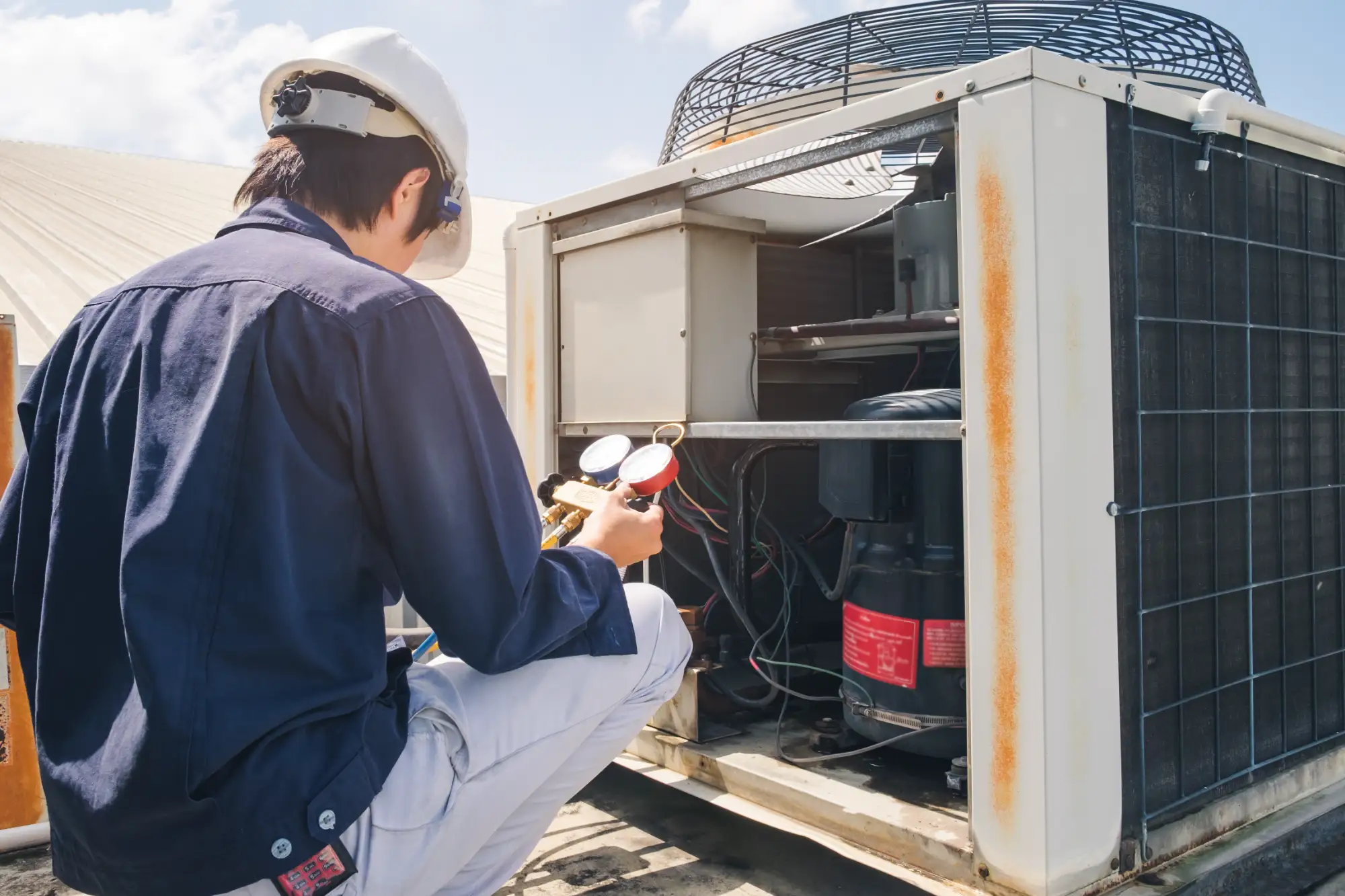
We start with the outdoor unit. We remove debris, clean the condenser coils, and check that the unit has proper clearance for airflow. Desert dust and debris accumulate quickly, and a dirty condenser forces your system to work harder to release heat.
Inside, the focus shifts to airflow and refrigerant. We clean or replace air filters, inspect the evaporator coil for dirt buildup, check refrigerant levels, and look for leaks. Low refrigerant doesn’t just reduce cooling—it makes your compressor work harder, which shortens its lifespan.
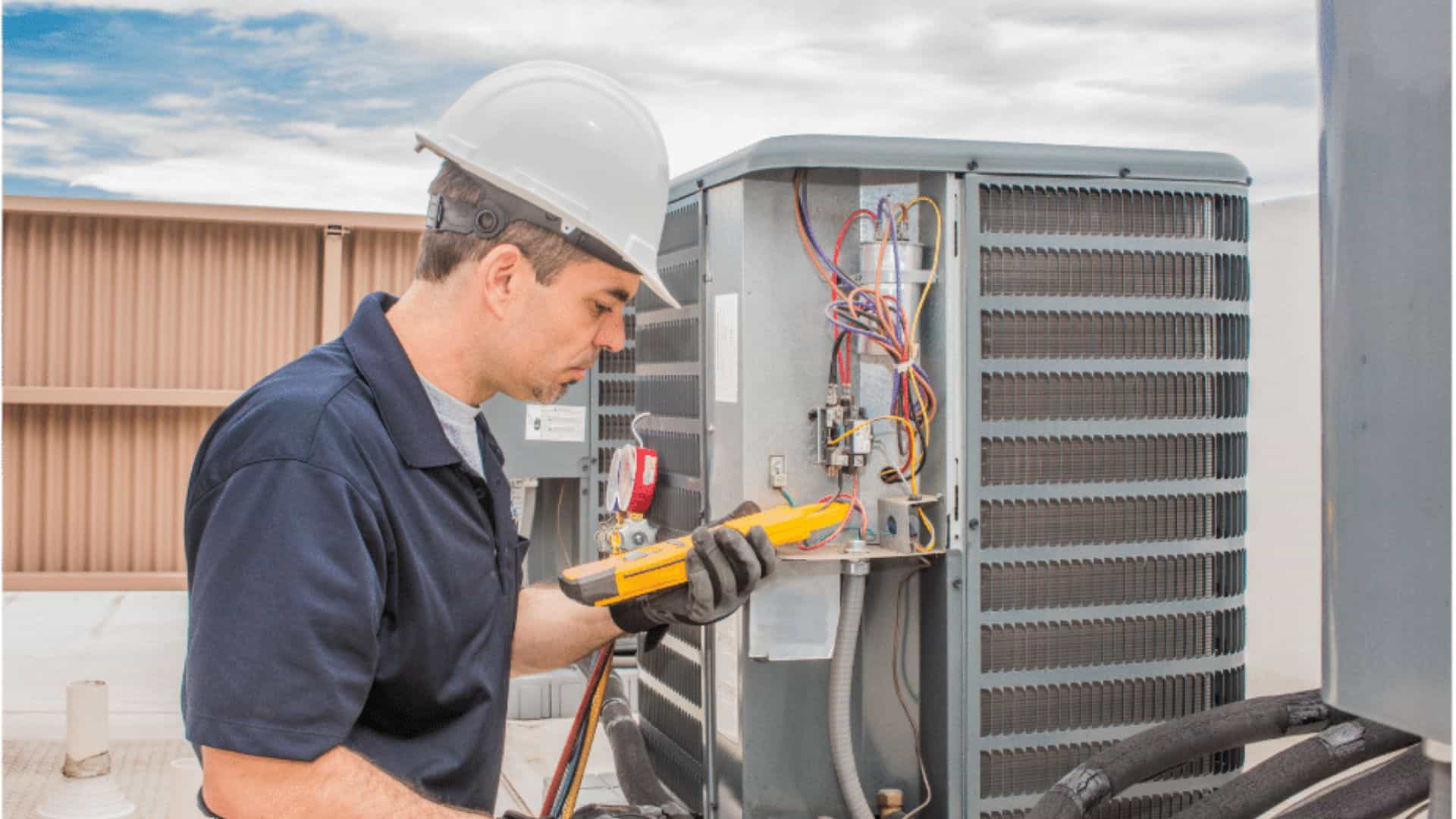
Electrical connections need attention too. Loose connections create resistance, which generates heat and can lead to component failure. We tighten connections, measure voltage and current on motors, and inspect contactors and relays for signs of wear.
The thermostat gets tested to ensure it’s reading temperature accurately and communicating properly with your system. Blower components are cleaned and adjusted to provide proper airflow. Ductwork is inspected for leaks, which can waste a significant amount of cooled air before it reaches your living space.
AC Maintenance Checklist Tasks You Can Handle Yourself
Not every maintenance task requires a professional. Some simple steps keep your system running between service visits.
Start with your air filter. Check it monthly and replace it when it looks dirty. In Las Vegas, that’s usually every 1-2 months during heavy use. A clean filter improves airflow, reduces dust in your home, and takes strain off your blower motor. It’s the single most impactful thing you can do yourself.
Keep your outdoor unit clear. Remove leaves, grass clippings, and debris from around the condenser. Make sure nothing’s blocking the unit—no storage items, plants, or landscaping within two feet. Your condenser needs airflow to release heat efficiently.
Clean your vents and registers inside your home. Dust buildup restricts airflow and reduces system efficiency. A quick vacuum every few weeks keeps air moving freely. While you’re at it, make sure furniture or curtains aren’t blocking vents.
Listen to your system. Unusual noises—grinding, rattling, squealing—often signal a problem. Catching these early means a simple repair instead of a major breakdown. If something sounds off, don’t wait for your next scheduled AC maintenance.
Check your thermostat settings. Make sure it’s reading the correct temperature and switching modes properly. If you have a programmable thermostat, verify your schedule is still appropriate for your routine. Small adjustments here can reduce runtime and save energy without sacrificing comfort.
These tasks won’t replace professional maintenance, but they extend the time between service calls and help you spot issues early. Think of them as the equivalent of checking your car’s oil level between full service appointments.
What Professional HVAC Tune Up Near Me Should Include
A thorough professional tune-up goes beyond what you can do yourself. Here’s what to expect when you schedule service with us.
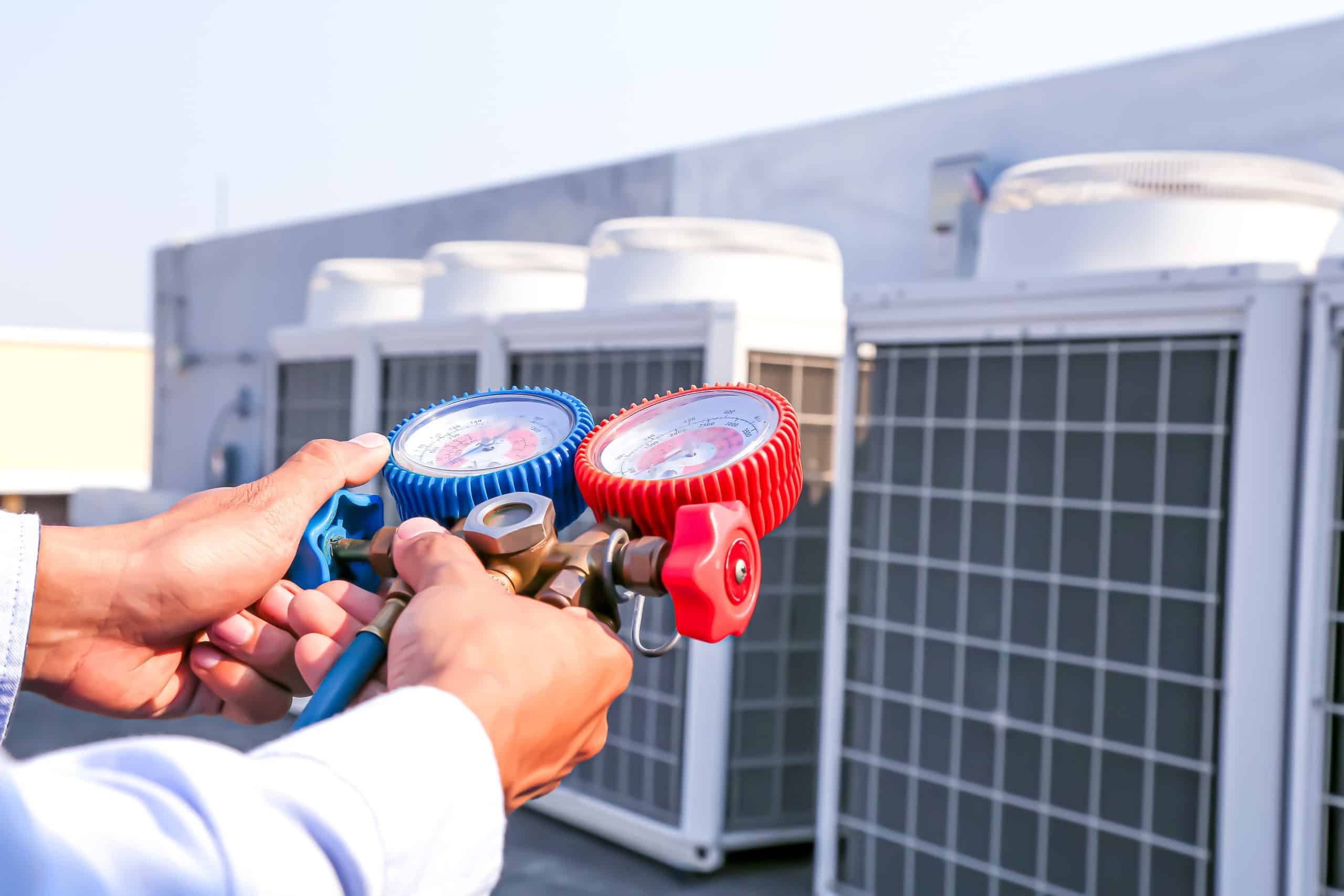
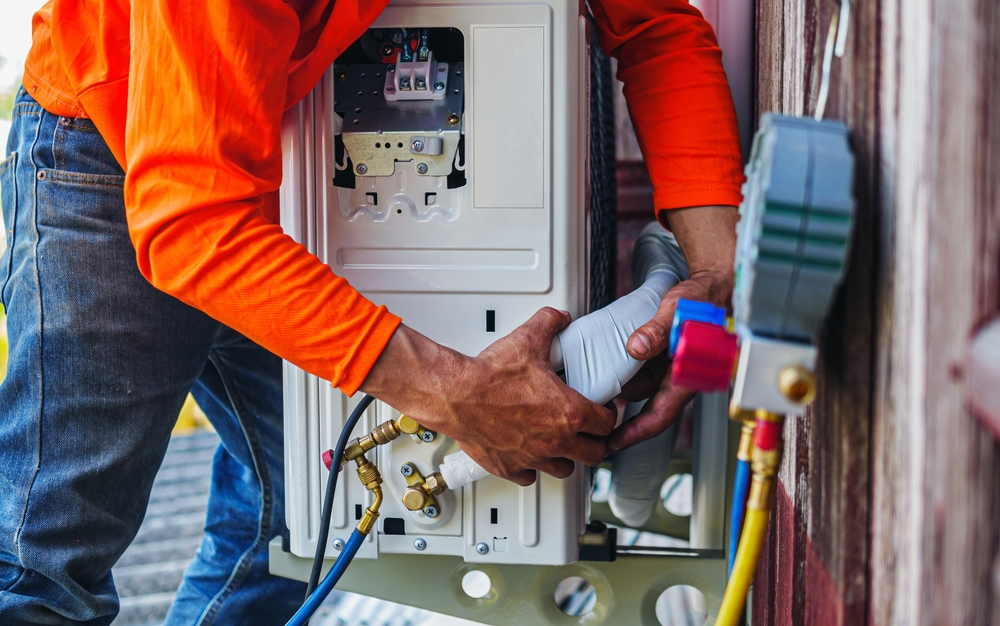
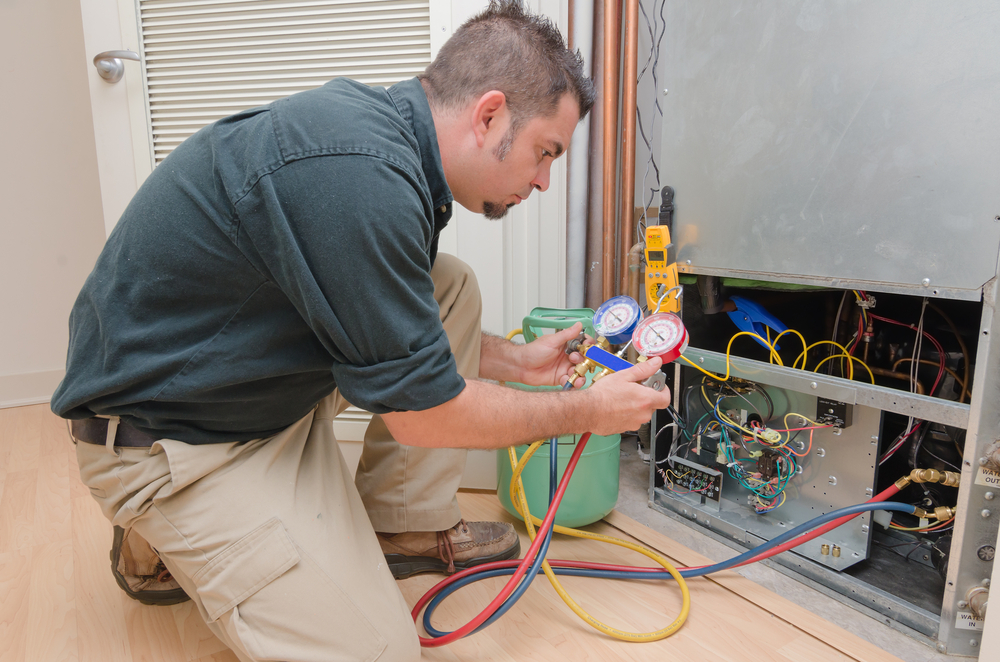
We inspect and clean both the indoor and outdoor units. That means removing the panels, accessing internal components, and cleaning coils with specialized equipment. We check refrigerant levels and test for leaks using proper gauges and detection methods.
Electrical components get a full inspection. Connections are tightened, voltage and current are measured, and capacitors are tested for proper function. These components fail gradually, and we can spot warning signs before they cause a breakdown.
The blower motor and fan are cleaned and lubricated. Belts are inspected for wear and proper tension. The condensate drain line is checked and cleared if necessary—a clogged drain can cause water damage and humidity problems.
Gas connections (if you have a furnace or heat pump with gas backup) are inspected for leaks. Burner combustion is checked to ensure safe, efficient operation. The heat exchanger is examined for cracks, which can create a carbon monoxide hazard.
Airflow is measured and adjusted. We verify that your system is moving the right amount of air for your home’s size and layout. We check duct connections for leaks and make sure dampers are operating correctly if you have a zoned system.
After the inspection and cleaning, we test the system’s operation. We run it through a full cycle, measure temperature differentials, and verify that all safety controls are functioning properly. You receive a report of what was done and any issues that need attention.
A proper tune-up takes 1-2 hours depending on your system’s condition. If a technician is in and out in 20 minutes, they’re not doing a thorough job. Quality service takes time because there are many components to inspect, clean, and test.
Protecting Your HVAC Investment in Clark County
Your HVAC system is one of the most expensive components in your home. In Las Vegas, it’s also one of the hardest-working.
The maintenance checklist in this guide isn’t about perfection. It’s about protecting your investment and avoiding the stress and expense of mid-summer breakdowns. Regular filter changes, seasonal professional service, and attention to warning signs make the difference between a system that lasts 10 years and one that serves you for 15-20 years.
The desert climate is harsh on HVAC equipment. But with the right maintenance approach, you can minimize wear, reduce energy costs, and keep your home comfortable even when it’s 110°F outside.
At Passionate Cooling & Heating LLC, we provide the seasonal maintenance and emergency support that desert homes require. With 18 years of local experience and EPA-certified technicians who understand the unique challenges of this climate, we offer the expertise and transparent service that keeps systems running when you need them most.